
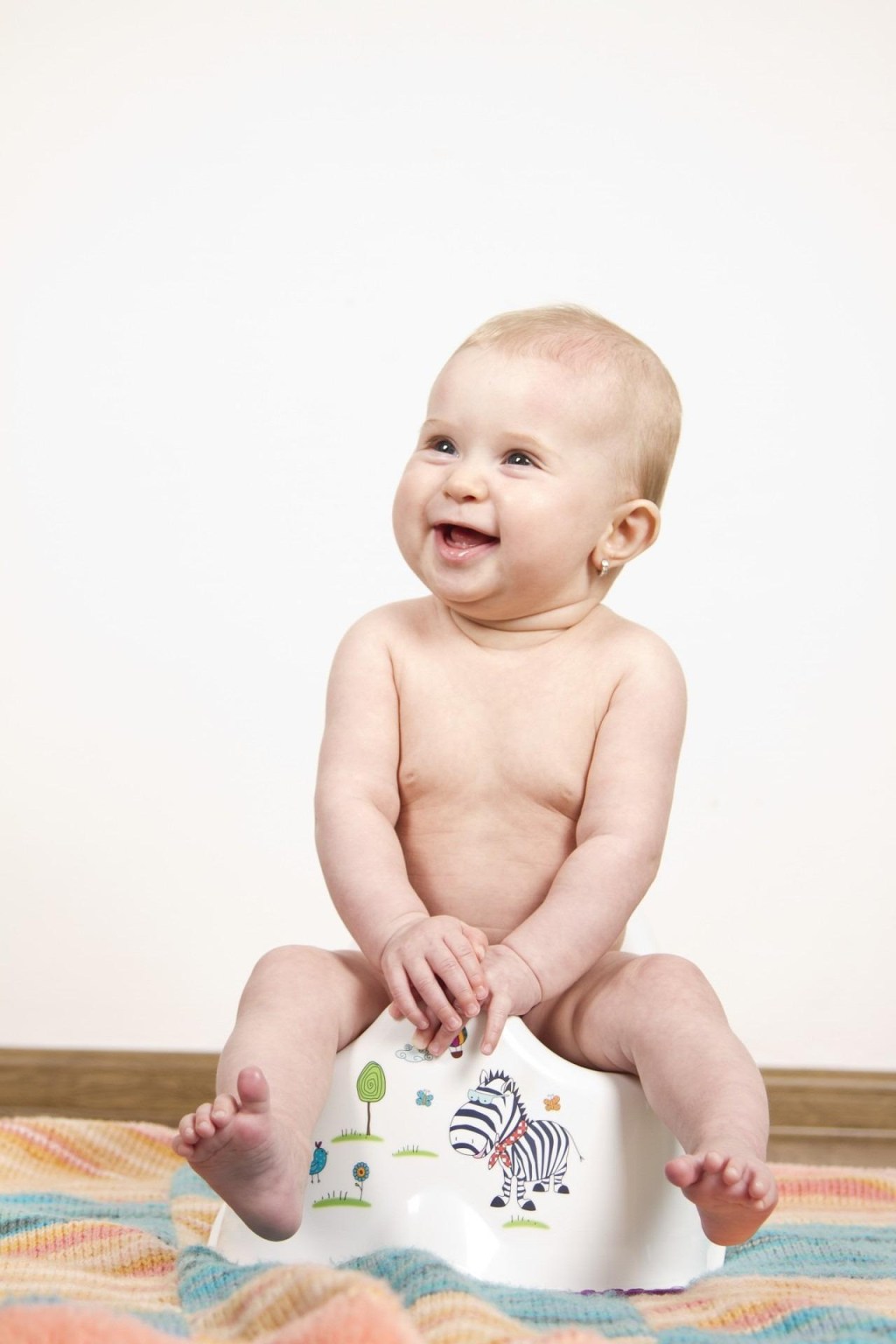
A Low-Stress Approach
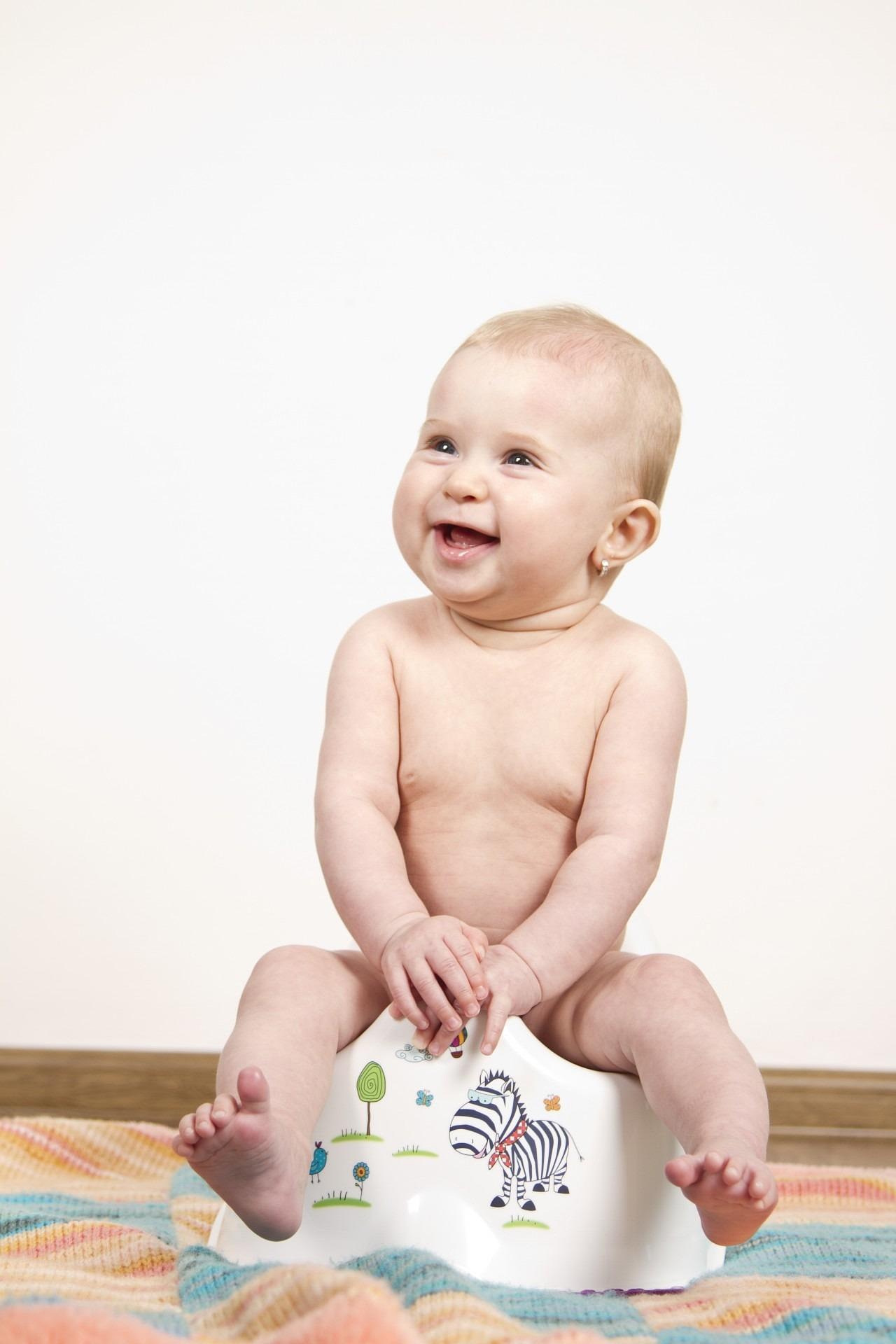
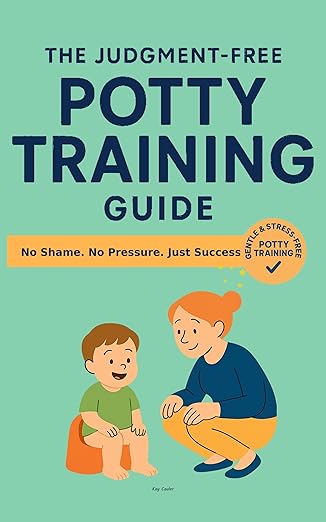
Potty training is one of those parenting milestones that feels both exciting and daunting. As a parent who’s been there (multiple times), I know how much we all want to get it right. But the truth is, there’s no one-size-fits-all answer. The “right” time to start potty training is one topic I touch on a lot in my book, The Judgement-Free Potty Training Guide. We’ll discuss it this topic here as well and see why the “right” time depends on your child’s unique readiness, your family’s circumstances, and a healthy dose of patience.
Also, make sure you check out my free potty training printable here!
Signs to Look Out For
Every child is different, and potty-training readiness can vary widely from kid to kid. While some toddlers may show interest as early as 18 months, others might not be ready until they’re closer to three years old. It’s really a roll of the dice from one kid to another – even between siblings raised in the same home. Here are some signs that your child might be ready to take the plunge into potty training:
- Awareness of Wet or Dirty Diapers: If your child starts to show discomfort when their diaper is wet or dirty or even begins to tell you about it, this could be a sign they’re ready to move on from diapers. Ours would begin pulling at their diapers or even trying to take them off because they were beginning to notice the discomfort of having a dirty diaper. This awareness is a good signal they are getting to a good potty-training starting point.
- Interest in the Bathroom: Has your little one started following you into the bathroom, asking questions, or showing curiosity about what’s going on? This interest is a good indicator that they might be ready to learn. You can use this curiosity to get a jump-start on potty training if you already have a potty seat or chair. Keep the excitement going by letting them try the potty but be sure not to pressure them or they may lose interest.
- Ability to Stay Dry for Longer Periods: If your child can go a couple of hours without wetting their diaper, it shows they have some bladder control, which is crucial for potty training. Physical readiness is just as important as mental readiness.
- Simple Communication Skills: Being able to communicate, even with just a few words or gestures, is important. Your child needs to be able to tell you when they need to go. Check out the free download above for a helpful communication board.
- Physical Readiness: I mentioned physical readiness earlier. Can your child pull their pants up and down on their own? This independence is another sign that they might be ready for potty training.
Timing, Timing, Timing
While your child’s readiness is key, your timing as a parent is also crucial. Consider these factors before you start:
- Life Events: If your family is going through major changes—like moving, a new sibling, or starting a new childcare situation—it might be better to wait. Potty training can be stressful, and it’s best to start when life feels a bit more settled.
- Your Schedule: Potty training requires consistency and attention. If your schedule is packed or chaotic, it might be tough to give potty training the focus it needs.
- Patience Level: Potty training is a process, and it doesn’t happen overnight. If you’re feeling stressed, overwhelmed, or pressed for time, it might be wise to hold off until you can approach it with a calm and patient mindset.
Trial and Error
Even when the signs point to readiness, potty training is often a journey of trial and error. Some days will be better than others, and that’s okay. If you start and realize that your child isn’t quite ready, it’s perfectly fine to take a break and try again later. Remember, potty training isn’t a race. The goal is to help your child feel confident and comfortable, not rushed or pressured. Taking a break from training is perfectly acceptable. You can keep an eye out for improvements you need to see in mental, emotional, or physical readiness. (For a more comprehensive list of these cues, check out the potty-training guide linked up top.)
Trust Your Gut
Ultimately, deciding when to potty train comes down to your instincts. If you are paying attention to your kiddo and watching his/her potty patterns, you should get a pretty good feel for his/her readiness. You know the child’s temperament and confidence level. You will know when the time is right. And when it is, you can go on the journey together towards building a great foundation for teamwork.
Want More?
 Beyond Books Learning Resources
Leave a comment