
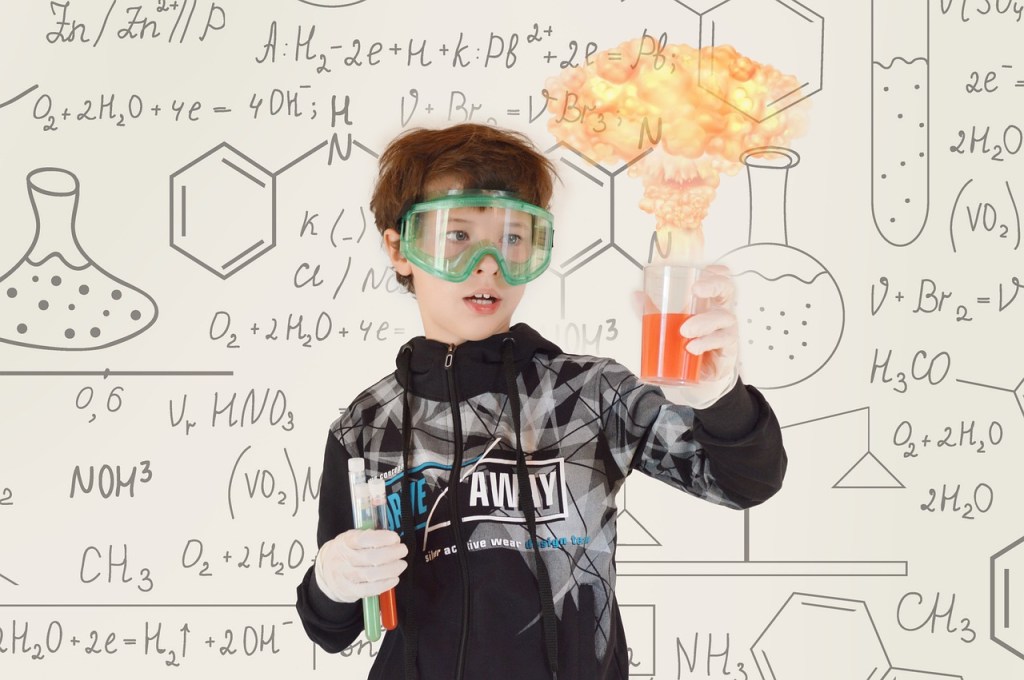
Engaging children in hands-on science experiments is a fantastic way to spark their curiosity and create a love of learning. You can find out more about the benefits of hands-on science experiments here!
Here are five simple and fun experiments that you can do with your kids at home using common household items.
PLEASE NOTE: ALWAYS supervise children with science experiments and explain proper personal protective gear, fire safety, and safety mixing substances. When in doubt, research before mixing any two agents – even if they seem harmless. Goggles, gloves, and a protective layer over exposed skin is advised.
1. Rainbow in a Glass
- Materials: Five small glasses, sugar, water, food coloring, spoon, dropper.
- Instructions:
- Fill each glass with the same amount of water.
- Add different amounts of sugar to each glass (e.g., 1 teaspoon to the first, 2 teaspoons to the second, and so on).
- Stir until the sugar dissolves.
- Add different food coloring to each glass.
- Using a dropper, layer the colored water into a single glass in order of sugar concentration (starting with the most sugar).
- Science Concept: This experiment demonstrates density and how different concentrations of sugar solution create layers of different densities.
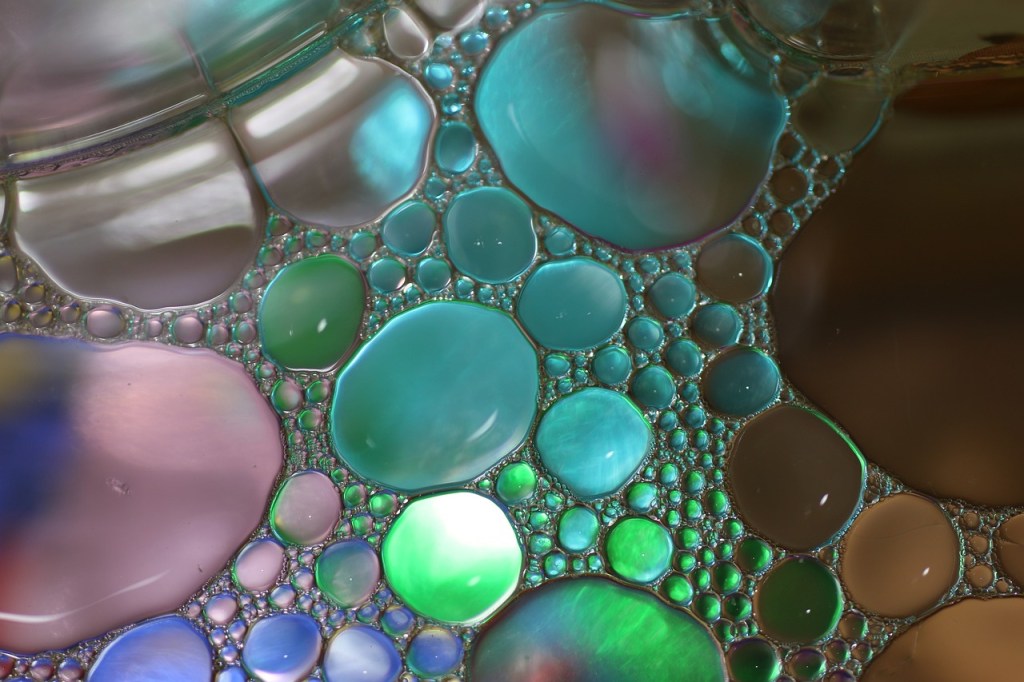
2. Homemade Lava Lamp
- Materials: A clear plastic bottle, water, vegetable oil, food coloring, Alka-Seltzer tablets.
- Instructions:
- Fill the bottle two-thirds with water.
- Add vegetable oil to fill the rest of the bottle.
- Add a few drops of food coloring.
- Drop an Alka-Seltzer tablet into the bottle and watch the colorful blobs move up and down.
- Science Concept: The experiment shows the interaction between water and oil, which do not mix, and the reaction of Alka-Seltzer creating gas bubbles that move the colored water.
3. Invisible Ink
- Materials: Lemon juice, water, cotton swabs, white paper, lamp or heat source.
- Instructions:
- Mix lemon juice with a few drops of water.
- Use a cotton swab to write a secret message on the paper with the lemon juice mixture.
- Let the paper dry completely.
- Hold the paper close to a heat source (like a lamp) to reveal the message.
- Science Concept: The heat causes the acidic lemon juice to oxidize and turn brown, revealing the hidden message.
4. Volcano Eruption
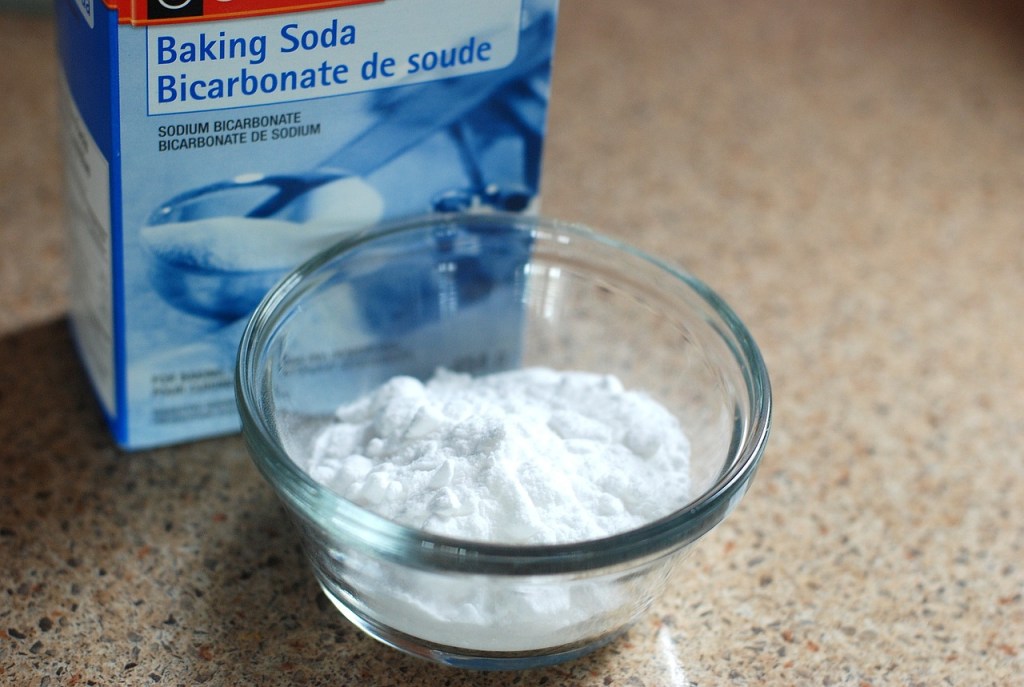
- Materials: Baking soda, vinegar, dish soap, food coloring, small plastic bottle or container, tray or large plate.
- Instructions:
- Place the plastic bottle in the center of the tray.
- Fill the bottle halfway with baking soda.
- Add a few drops of dish soap and food coloring.
- Pour vinegar into the bottle and watch the eruption.
- Science Concept: This experiment demonstrates an acid-base reaction, producing carbon dioxide gas which creates the fizzy eruption.

 Beyond Books Learning Resources
Leave a comment